In 2014 I went on an “adventure” group trip to Central America with an acquaintance. She had been looking for someone she knows that would be willing to come along, and I said “Why not”. I happened to have a few thousand in my bank account, the leftovers from a small inheritance I had received about 10 years prior. It felt like a rare opportunity to see a new slice of the world, covering a variety of countries from Costa Rico to Guatemala, doing something I normally wouldn’t do. A private bus and local tour guide would ferry the group from location to location every 1-2 days. In each new spot there was usually a menu of activities catering to “adventure” tourists like us: Rappelling, wild water rafting, ziplining, or volcano boarding.
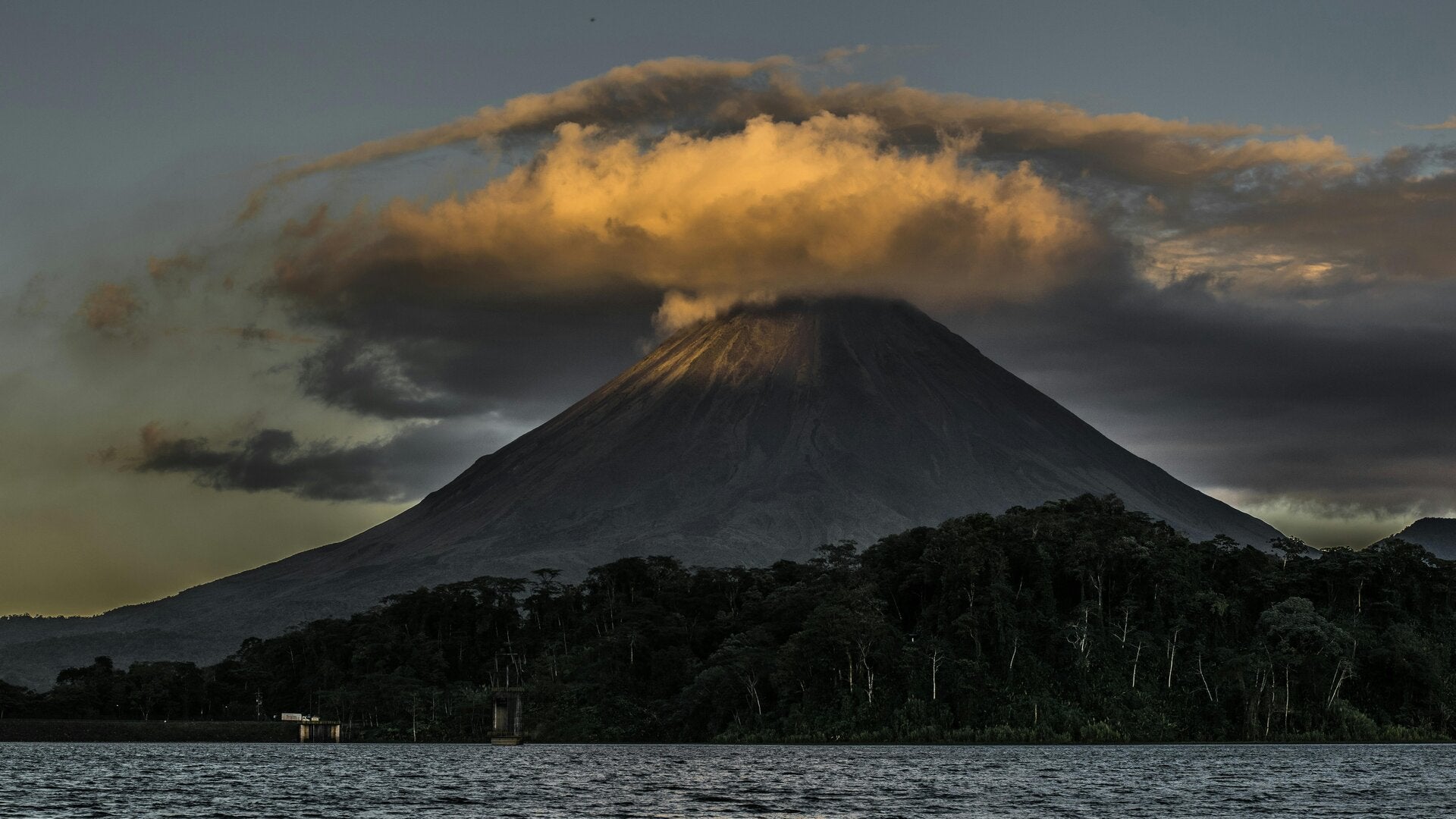
I’m actually not much of an adventurer, so I skipped out on most of these action-loaded activities. I do not like heights. I do not like high speeds. I’m the opposite of an adrenaline junkie. So on that trip, I would choose slower activities like a relaxed river boat tour that I ended up attending alone, that is with other tourists outside of our group (that is families and seniors).
Volcano Boarding was the one risk I took. Unlike ziplining that requires speed (and a lack of brakes) not just for the “fun factor” but more importantly to avoid people getting stuck on the line and needing rescue, volcano boarding was more ambiguous. How fast was it really? Would you be able to break? I couldn’t get any clear answers from our permanently drunk tour guide. This uncertainty started to torment me. I was scared that it would be something I’d be scared of. On the long bus ride to the volcano I went through massive anxiety. For what felt like hours, I mulled the issue over in my head, trying to talk myself out of my feelings.
Eventually, it worked. I’m not sure if I ever experienced this before or after, not with that much clarity: My own effort, without anything else changing, or anyone else doing anything, completely dissolved my fears, leaving just calm and confidence.
I had managed to convince myself that I simply did not know the full facts about volcano boarding on this particular volcano, and that was okay, because if the worst case became true and it was basically another form of ziplining, in principle, then I could still back out and walk back down the volcano to where our bus was parked. No one could force me, or pressure me. It was up to me. I couldn’t control the volcano or however volcano boarding practically works, but I could control my own decisions.
In a nutshell, I gave myself a choice, believed in it (or rather in myself), and the fear dissipated.
When we finally arrived at the top, and I saw the first people whoosh down the side of the mountain on the curved wooden boards they’d given us, it became clear that volcano boarding was actually a highly customisable experience. The terrain was steep but also coarse. Rather than fine sand, the ground was made up of rough and chunky volcanic rock. You could pull in your limps and zoom down at neck-breaking speed, or you could place both soles on the ground to either side of the sled, and perfectly control the board’s speed with your heels by digging them in or lifting them back up to a level position.
I went last and I went slow, as slow as possible, just narrowly avoiding the point where the board would just get stuck in the side of the volcano. Most importantly, I had a glorious time, enjoying the view, taking my time, and getting the most out of it.
As I am preparing for my return to work after months of burnout, I’m trying to think back to that experience and what lessons I could take from it.
Whether in the workplace or in life in general, there will always be many things outside of my control. But crucially there still needs to be a sense of choice, related to what I’m doing with my body. This one aspect can make all the difference. Everyone else can enjoy what they enjoy and go down the mountain fast. And I can go slow, and do it my own way. We all arrive in the same place in the end. There is no shame in being different and having different needs.
Unfortunately, the choices you have aren't always obvious, whether it's because your tour guide is an unhelpful drunk, or whether your boss seriously lacks neurodiversity awareness. Apart from that, or regardless of it, there are always things you will only figure out once you've reached the top of the mountain. My coach called these things "undiscoverables". Will a different company have supportive managers or provide a healthier environment? No matter how hard you strain yourself, you just cannot predict the future. You cannot eliminate all risks. And even in the present we usually have to act on imperfect information.
To overcome my workplace challenges, I will have to learn to trust myself and my ability to both adapt and stick to my boundaries, no matter what happens outside of my control. It’s that self-trust that creates emotional safety. It doesn’t matter what the exact facts will be, whether the workplace will start accommodating me fairly or not. Sure, be nice if they would, but if they don’t, and they’re trying to make me ride their ziplines again, I will not try and go along with it anymore. I trust myself to say No, take necessary actions, and to be okay, at least in the long-run.
There are also supports that I will have available. More than last time. They are also supports that I put in place. That I could add to.
But in the end, it also boils down to this: Yes, I had a bad experience and I am afraid. That is normal, but moreover it's also true that “the only way is through”. Rolling up into a ball at home and never working again just isn’t an option. I love working. And it’s now on me to create an experience like the volcano boarding again, whether it’s in a job, or on a job search.
Add comment
Comments